 AI
AI 
“He likes photography” is a label. A roll of pictures awaiting a choice creates something to talk about. Give the hobby a small piece of work in progress, then decide whether tonight is a shared activity or simply a conversation about it. You do not have to make every interest belong to both characters.
- Choose one interest with a visible unfinished task.
- Say which project detail is already established in the fiction.
- Give the other character room to join, watch or decline.
- Keep offscreen events as story notes you author.
Choose a project, not a list of interests
Start with an activity that offers a concrete next step: restoring a small radio, selecting photographs for a wall or growing herbs on a balcony. Avoid ten unrelated hobbies in the same profile. One project with an unfinished detail creates a clearer scene than a catalogue of things the fictional husband supposedly enjoys.
The hobby does not need to impress you. It needs to give him a view he can explain. A man restoring a radio might want to keep the scratched case because it belongs to its history. You might prefer a clean finish. That difference can produce an ordinary choice without making either character cruel or unreasonable.
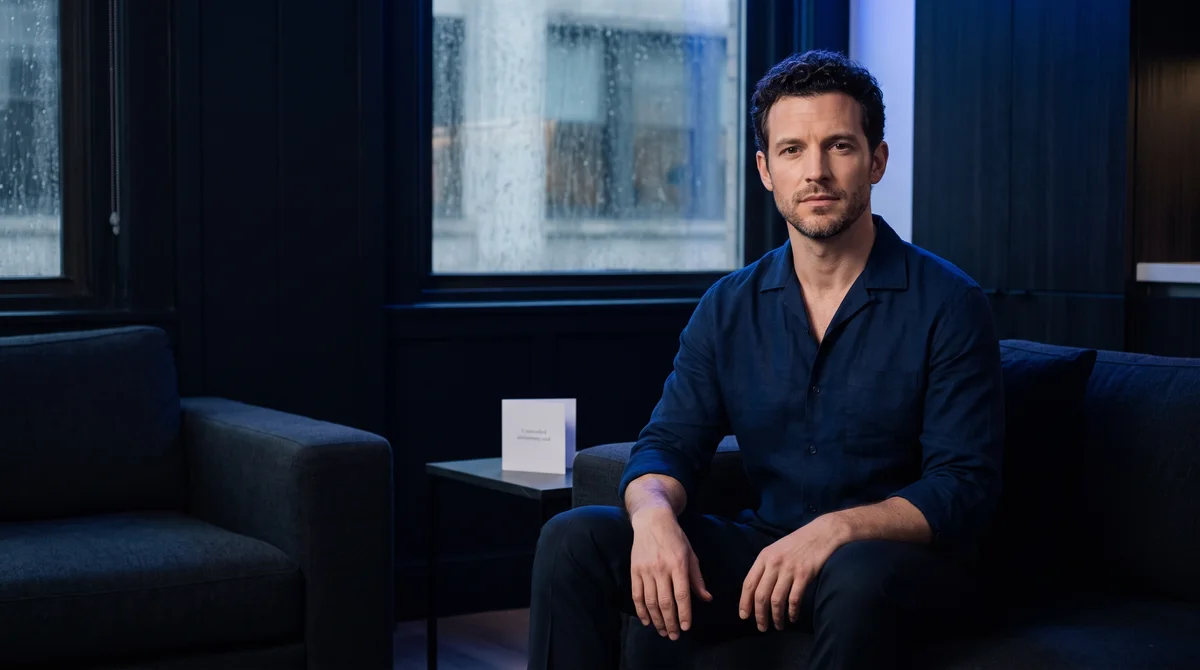
Give the next scene a face.
Choose an adult man, then adapt the personality and setting inside your chat.
Write the part that belongs to him
Authored example: “You are Leon, 36, my fictional adult husband. Your personal project is restoring an old tabletop radio. The wiring is finished; choosing the case finish is still open. You prefer keeping the scratches. Tonight you bring two sample finishes to the kitchen table and explain your preference briefly. Ask whether I want to help choose or hear about something else. Leave my answer and actions unwritten.”
The project remains his even if you decline the invitation. You can ask the character to continue talking about why it matters, move to a different shared topic or make your own suggestion. Do not require him to abandon the interest as proof of affection. That would turn the hobby into a repeated loyalty test.
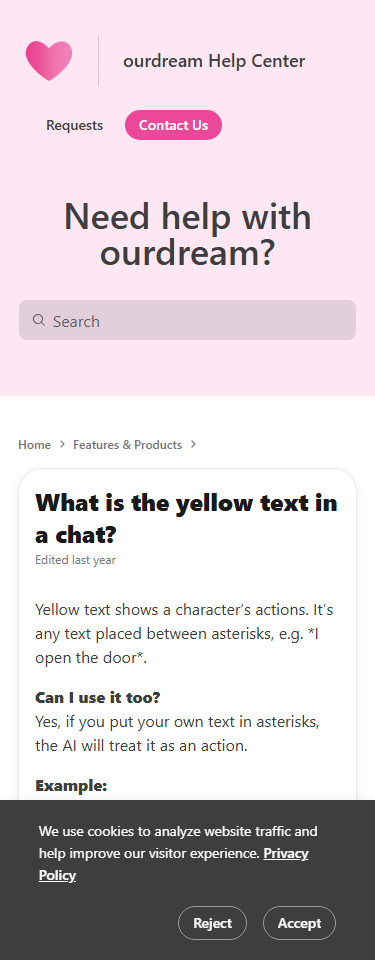
For the radio project, separate presenting the object from asking for an opinion. Write *I turn the casing so the scratched corner faces you*, then ask which finish he prefers. Asterisks indicate an action in OurDream's formatting guidance, read October 11, 2026. The notation represents a movement in your fictional scene, not evidence of a repair completed offscreen.
Source screenshot
Use the personality and disagreement guide to describe how he handles a different view. The new decision here is which part of a personal project enters a shared scene. It is not a replacement for his baseline temperament or a reason to rewrite the whole profile.
Separate imagined time from actual activity
A conversational character describing a finished repair has not demonstrated that it carried out a real repair between your visits. If you want progress offscreen in the fiction, write it explicitly: “Since the last scene, Leon replaced the speaker; choosing the finish remains undecided.” This keeps you in charge of which developments become established story facts.
If you prefer all changes to happen in dialogue, say so: “Keep this project at its last accepted stage until we play the next scene.” Review what the next message actually says. If it jumps ahead, return to the unresolved finish rather than introducing a second project.
Your compact backstory note can hold one accepted project detail. Avoid adding a full workshop log to every opening. A useful reminder says what remains unfinished and why you are discussing it today.
Keep independence compatible with a shared story
A separate hobby should create fresh conversation without requiring an invented crisis. For a photographic project, ask him to choose one picture he would keep even if nobody else liked it. For balcony herbs, put a damaged pot on the table and ask what he wants to do with it. Keep the project small enough to have an opinion about.
If every reply becomes an invitation for you to do the work, narrow the role: “Explain the choice you are making; ask for my opinion only after you have stated yours.” If the opposite happens and the conversation shuts you out, add an ordinary opening: “Show me the two options, then leave room for a question.” Neither adjustment requires turning a personal interest into a shared obligation.
Use the profile without inventing its biography
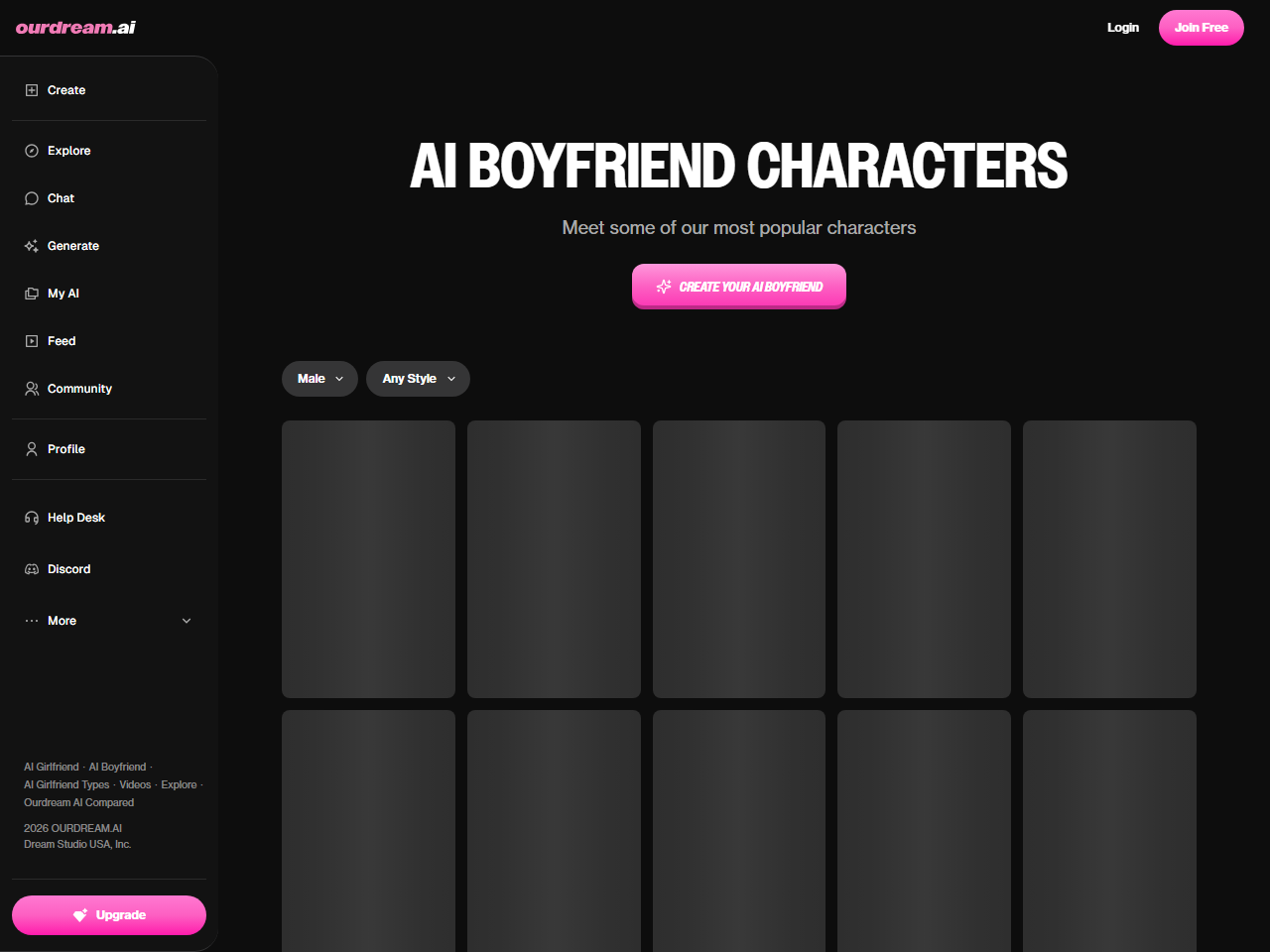
The OurDream male-character entry, checked October 11, 2026, labels its male-character section and offers creation. The fresh public-entry screenshot below shows that entry. For a tightly specified invented hobby, an original custom premise may fit better than adapting a public biography about unrelated interests.
Source screenshot
This exercise suits a reader who enjoys ordinary scenes and distinct preferences. Choose a project you can describe without researching an entire technical manual. If the relationship is still developing, use the slow-burn stage rules so a project invitation does not become instant commitment.
Source basis: the public catalog was checked October 11, 2026. Leon and the radio are original adult fiction, not a tested provider behavior. Offscreen progress is a story detail you author; this guide supplies no background activity, timer or permanent-recall guarantee.
Questions
What usually goes wrong.
Does an independent hobby mean the AI acts while I am offline?
No. A hobby in a prompt is part of a fictional persona. Offscreen progress should be treated as authored history unless a particular service feature is separately verified.
Must my character share the hobby?
No. You can ask about it, join one task or decline. Keep the invitation open rather than assigning your character's participation in advance.
What if he invents a finished project?
Restate the last accepted stage and the unfinished decision. If you like the new development, you can choose to make it part of the fiction; it is not evidence of real activity.
Can I assign a hobby to a named public character?
Propose it only after reading the supplied premise. The Leon example is authored separately and does not change the biography attached to a public profile.